Buying Tin 4 Nitrate from global suppliers requires more than comparing prices. It demands careful attention to identity, purity, documentation, and lawful transportation. The name may describe a specific tin oxidation state or a supplier’s commercial terminology. Confirm the exact chemical identity, CAS number, concentration, physical form, and intended laboratory or industrial use before requesting quotations.
A reliable supplier should provide a current Safety Data Sheet, Certificate of Analysis, batch number, and clear storage guidance. Check whether the company has verifiable manufacturing experience, quality certifications, and traceable distribution records. Ask where the material was produced and how it will be packaged. A sealed, labeled container should arrive with intact documentation, not vague descriptions or missing hazard information. Small details matter.
Global purchasing also involves export controls, import permits, customs classification, insurance, and carrier requirements. These rules differ by destination and may change without notice. Work with your institution’s compliance team and a qualified customs broker. Never select a supplier solely because it offers the lowest price. That can become expensive quickly. Compare lead times, minimum order quantities, payment terms, packaging, and after-sales support.
The process is not flawless. Supplier websites can contain outdated claims, and certificates may require independent verification. Contact at least two reputable vendors, request recent lot evidence, and review the product against your technical specifications. This guide explains how to evaluate global suppliers responsibly, reduce procurement risks, and make a documented decision about Tin 4 Nitrate within applicable safety and legal requirements.
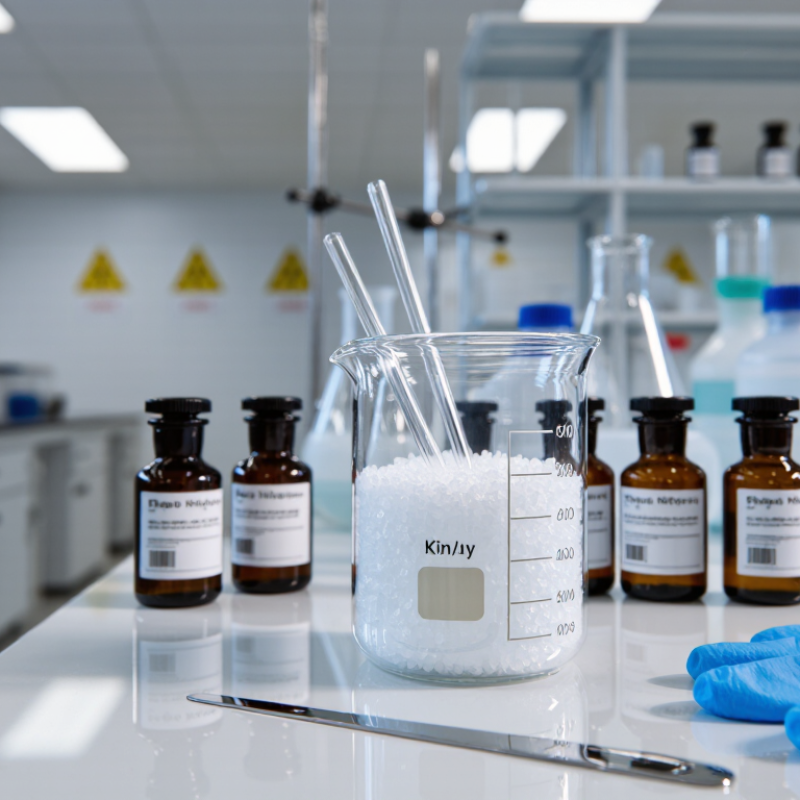
How to Buy Tin 4 Nitrate from Global Suppliers?
Tin(IV) nitrate, also called stannic nitrate, is an inorganic salt containing tin in the +4 oxidation state. Its commonly cited formula is Sn(NO3)4. However, commercial material may appear as a hydrate, solution, or laboratory-prepared form. That distinction matters. Moisture can affect its appearance, concentration, and stability.
In practical procurement, buyers should ask for the exact chemical identity, CAS information, molecular formula, and physical form. A reliable supplier should provide a current certificate of analysis and safety data sheet. Check tin content, nitrate content, water content, purity, and test methods. Do not rely on a product title alone. It may hide a meaningful difference.
Tin(IV) nitrate is used as a precursor in tin oxide research, ceramic processing, surface-coating studies, and selected analytical applications. Researchers may value its soluble nitrate chemistry when preparing thin films or controlled tin-containing materials. Industrial users often need consistent batches more than attractive pricing. Packaging should protect the material from moisture and contamination. Global buyers must also confirm storage conditions, transport classification, import paperwork, and local chemical rules before ordering. A useful improvement is requesting a small evaluation quantity first. Specifications can look complete, yet practical handling may still reveal problems.
Buying tin(IV) nitrate from global suppliers requires more than comparing prices. Start with a written specification. Request assay, tin oxidation state, nitrate content, water, chloride, heavy metals, insoluble matter, and appearance limits. Ask whether the material is anhydrous or hydrated. That detail can affect handling and test results.
A current Certificate of Analysis should identify the lot, test methods, results, analyst approval, and retest date. Prefer independent testing under ISO/IEC 17025. The ISO Survey 2023 reported more than 1.26 million ISO 9001 certificates worldwide, but certification alone does not prove chemical competence. Review the supplier’s audit history, technical response time, traceability system, and safety data sheet. I would also request a retained sample before approving a large shipment. Small oversights happen.
Tips: Check the container before opening. Look for intact seals, lot labels, and moisture damage. Packaging should include a compatible primary bottle, protective secondary containment, and cushioning for international transit. Ask for the proposed transport classification and storage temperature in writing. Compare the packing list with the CoA and purchase specification. A supplier that avoids these basic questions may still be legitimate, but the risk is harder to measure. Pricing should never replace evidence.
How to Buy Tin(IV) Nitrate from Global Suppliers?
Finding qualified global suppliers begins with verified procurement channels, not search rankings. Public business registries can confirm legal identities and operating addresses. Accredited chemical directories may provide manufacturer qualifications, but every listing still requires independent checks. The OECD Due Diligence Guidance recommends risk-based supplier screening and documented traceability. This matters because the USGS Mineral Commodity Summaries 2025 estimated global tin mine production at about 290,000 metric tons in 2024. Raw-material visibility does not automatically prove compound quality.
Request a current Safety Data Sheet, Certificate of Analysis, batch number, purity range, and storage instructions. Confirm the supplier’s quality system, production site, export authority, and transport classification. ISO 9001 certification can support process confidence, though it does not replace product testing. Ask for an independent laboratory report when the material supports sensitive laboratory or industrial work. Check destination-country requirements, including chemical registration, labeling, customs documents, and permitted transport routes.
Small details reveal weak procurement practices. The package should show intact seals, lot identification, hazard labels, and moisture protection. Payment should follow a documented quotation and verifiable company account. Avoid suppliers who refuse samples, use mismatched email domains, or promise unusually fast delivery. No checklist is perfect. My own screening can miss subcontractors, so I would request written disclosure of manufacturing and repacking locations. The United Nations Globally Harmonized System remains a practical reference for hazard communication across international shipments.
Use the verified chemical identity below when comparing international supplier documents. The values represent the theoretical mass composition of anhydrous tin(IV) nitrate, Sn(NO3)4, calculated from standard atomic weights.
Before purchasing, confirm the formula, hydrate or solution form, concentration, safety data sheet, certificate of analysis, packaging, export compliance, and independent supplier verification through a recognized procurement channel.
Buying tin(IV) nitrate from global suppliers requires more than comparing price per kilogram. Confirm the exact chemical identity, hydrate state, concentration, and CAS number before requesting quotations. “Tin 4 nitrate” can describe different commercial forms. That wording is not precise enough for customs or laboratory records.
Request a current Safety Data Sheet prepared under the destination country’s GHS rules. Check Sections 2, 3, 7, 8, 10, 13, and 14 carefully. The 2023 United Nations GHS Purple Book provides the core hazard communication framework, while OECD eChemPortal supports cross-checking available substance data. Review storage details closely: a sealed bottle, secondary containment, corrosion-resistant shelving, and controlled moisture exposure may be necessary. Supplier claims still require scrutiny. A polished SDS can contain outdated transport information.
Import compliance depends on the destination, origin, quantity, and intended use. Verify chemical registration requirements under systems such as EU REACH or United States TSCA, where applicable. Confirm the HS code with a licensed customs broker, rather than copying a marketplace listing. Transport documents may also follow current IATA Dangerous Goods Regulations or the International Maritime Dangerous Goods Code. Ask for a commercial invoice, packing list, certificate of analysis, lot number, country of origin, and dangerous-goods declaration when required. I would not release payment until the SDS, COA, packaging photographs, and legal-entity details match. Small omissions become expensive at the border.
Buying tin(IV) nitrate requires more than comparing the lowest unit price. Confirm the chemical identity, CAS number, concentration, and intended application before requesting quotations. USGS Mineral Commodity Summaries 2024 recorded global tin mine production at approximately 290,000 metric tons in 2023. This figure shows why upstream supply changes can influence pricing. Ask suppliers to separate product cost, packaging, documentation, freight, insurance, and import handling charges. Compare both FOB and DDP terms carefully. The cheaper quote may hide risk.
Quality assurance should be measurable. Request a current certificate of analysis, batch number, assay result, moisture data, and trace-metal limits. Check whether the supplier follows a documented quality system, such as ISO 9001, and whether testing uses a qualified laboratory. Inspect container seals, hazard labels, and the safety data sheet before dispatch. Small details matter. One overlooked specification can create costly rework.
Shipping conditions deserve equal attention. UNCTAD’s Review of Maritime Transport 2024 highlights continuing route disruption and freight uncertainty. Therefore, confirm lead time, temperature limits, approved packaging, insurance coverage, and customs documents in writing. After-sales support should include damage claims, replacement procedures, technical replies, and retained samples. I have learned that fast replies before payment mean little without written commitments. My own checklist is still imperfect, especially when suppliers use different testing methods. Ask direct questions, keep records, and review every discrepancy before ordering.
Tin(IV) nitrate is an inorganic salt containing tin in the +4 oxidation state. Its commonly cited formula is Sn(NO₃)₄. Commercial material may differ.
It may appear as a hydrate, solution, or laboratory-prepared material. Water can change its appearance, concentration, and stability. That matters.
Ask for the exact identity, CAS information, molecular formula, physical form, tin content, nitrate content, and water content. Do not trust the product title alone.
Request a current certificate of analysis and safety data sheet. Also check the lot number, test methods, origin, invoice, and packing list. Missing paperwork causes trouble.
Use sealed containers, secondary containment, and corrosion-resistant shelving. Control moisture exposure and prevent contamination. Storage details may vary by formulation.
It can support tin oxide research, ceramic processing, surface-coating studies, and selected analytical work. Its soluble nitrate chemistry helps prepare controlled tin-containing materials.
Confirm destination rules, import registration, quantity limits, transport classification, and customs requirements. Use a qualified customs professional for classification. Marketplace codes may be wrong.
A small sample can reveal handling, moisture sensitivity, concentration differences, and batch consistency. Specifications may look complete. Practical testing still matters.
Buying Tin 4 Nitrate from global suppliers requires careful evaluation of the product’s chemical identity, available forms, intended applications, and required purity level. Buyers should define technical specifications in advance, including concentration, impurity limits, packaging size, storage conditions, shelf life, and labeling requirements. Supplier credentials should also be verified through reliable procurement channels, with attention to quality systems, product traceability, technical experience, and the ability to provide consistent documentation.
Before placing an order, review the safety data sheet, applicable transport classifications, import regulations, customs requirements, and any permits or end-use declarations relevant to the destination country. Compare quotations based not only on price, but also on payment terms, delivery schedules, shipping conditions, insurance, quality assurance procedures, certificates of analysis, and after-sales support. A well-documented purchasing process helps reduce compliance risks, prevent unexpected logistics issues, and ensure that the selected Tin 4 Nitrate meets both operational needs and applicable safety standards.

Yanxatech