Metal Nitrate is a family of inorganic compounds formed when nitric acid reacts with a metal or metal oxide. Common examples include silver nitrate, copper nitrate, zinc nitrate, and iron nitrate. Their properties differ significantly. Some dissolve readily in water, while others require controlled conditions. This variation determines their value in laboratories, manufacturing, agriculture, and surface treatment.
In practical production, metal nitrates can support catalyst preparation, pigment development, chemical analysis, and electronic-material processing. Silver nitrate, for example, appears as white crystals and darkens when exposed to light. Copper nitrate commonly forms blue crystals, creating a visible reminder that chemical identity matters. The U.S. Geological Survey’s Mineral Commodity Summaries 2025 provides upstream data on metals used in these compounds, including silver, copper, and zinc. The International Energy Agency’s Global Critical Minerals Outlook 2024 also highlights growing pressure on metal supply chains. These reports do not isolate every nitrate compound, however. Comparisons can therefore be imperfect.
Reliable use depends on purity, concentration, storage, and process design. The European Chemicals Agency provides substance-specific hazard information that supports safer handling decisions. Industrial operators typically use closed containers, compatible materials, ventilation, and documented inspection routines. Small details matter. A damp label can cause a serious mistake. Metal Nitrate is not one universal product, but a broad chemical category with distinct technical roles. Understanding its composition, performance, and limitations helps readers evaluate applications more accurately. Further analysis should examine each compound separately, because general statements may hide important differences.
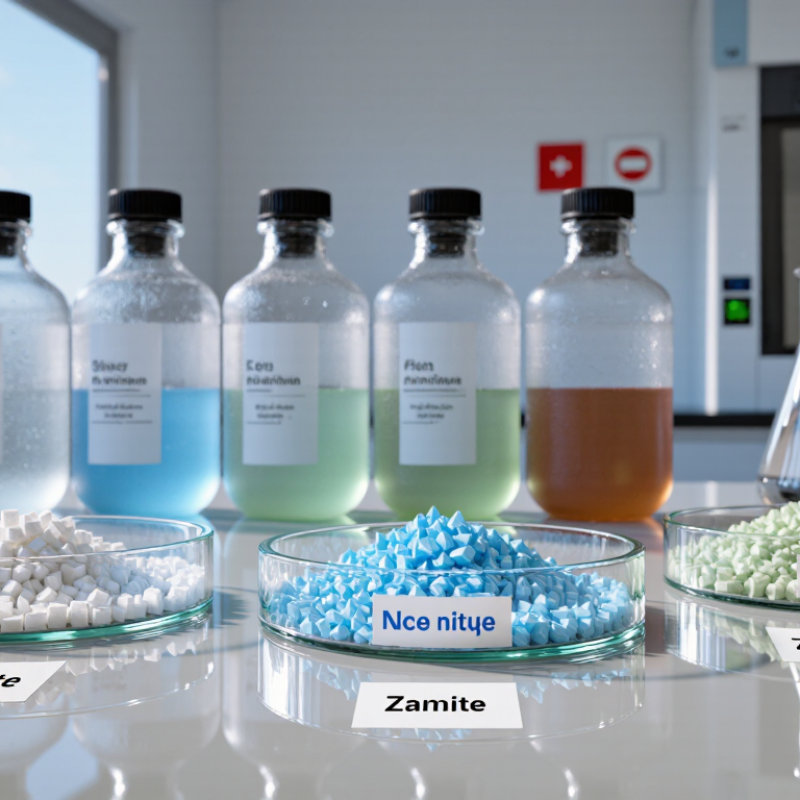
Metal nitrate is a salt made from a metal ion and the nitrate ion, NO3−. The metal carries a positive charge, while nitrate carries a negative charge. Together, they form an electrically neutral compound. Common examples include copper nitrate, calcium nitrate, and silver nitrate.
These substances often appear as crystalline solids. Some dissolve readily in water, producing clear or colored solutions. Copper nitrate, for example, may create a blue solution in a glass beaker. Calcium nitrate is widely used as a fertilizer because it supplies both calcium and nitrogen. Other metal nitrates support laboratory testing, surface treatment, photography-related processes, and controlled chemical manufacturing.
Their behavior depends on the metal, concentration, temperature, and surrounding chemicals. A nitrate should not be judged only by its appearance. Some are oxidizing materials and may intensify burning when mixed carelessly with combustible substances. Proper labels, protective gloves, eye protection, and good ventilation matter during handling. Waste also requires careful classification.
The chemistry sounds simple.
In practice, it is not always predictable. Solubility tables provide useful guidance, but unusual mixtures can form precipitates or release heat. I would verify the safety data and reaction conditions before testing an unfamiliar nitrate. That small pause can prevent a confident mistake.
A metal nitrate is an ionic compound containing a metal cation and the nitrate ion, NO₃⁻. It commonly forms when nitric acid reacts with a metal oxide, hydroxide, or carbonate. The reaction produces a nitrate salt, water, and sometimes carbon dioxide. For example, copper oxide can react with nitric acid to form copper nitrate and water. The reaction is not always simple. Some metals may also change oxidation state during contact with nitric acid.
Metal nitrates can be classified by the charge of their metal ions. Compounds such as sodium nitrate contain a one-charge metal ion, while calcium nitrate contains a two-charge ion. Iron and copper can form different nitrates because they may exist in more than one oxidation state. This difference affects color, formula, stability, and chemical behavior.
The crystal matters.
Another useful classification considers hydration, solubility, and thermal decomposition. Many metal nitrates dissolve readily in water, although solubility can vary with temperature and crystal structure. Some are anhydrous, while others contain fixed water molecules inside their crystals. When heated, nitrates may produce oxygen, nitrogen oxides, or metal oxides. The products depend strongly on the metal.
A simplified classification can mislead. Laboratory identification should therefore combine formula calculations, controlled heating observations, and instrumental analysis when accuracy matters.
That shortcut fails.
What Is Metal Nitrate and How Is It Used?
Key Chemical and Physical Properties
Metal nitrates are ionic compounds made from positively charged metal ions and nitrate ions. Most dissolve readily in water, producing clear solutions with good electrical conductivity. Their crystals may appear white, pale blue, green, or yellow, depending on the metal ion. Some forms also absorb moisture from air and become sticky. Small details matter here.
Their chemical behavior is strongly influenced by the metal. Nitrate ions can support oxidation reactions, especially when heated or mixed with incompatible materials. Many metal nitrates decompose during heating, forming metal oxides and nitrogen-containing gases. The exact products vary with temperature and composition. A controlled temperature test is therefore more reliable than a simple assumption.
In practical work, these properties support metal finishing, laboratory analysis, ceramic production, and the preparation of other compounds. Solubility helps technicians create measured aqueous solutions, while thermal decomposition helps produce selected metal oxides. However, “soluble” does not mean harmless. Dust, concentrated solutions, and heated samples require suitable ventilation, eye protection, gloves, and careful labeling. Storage should separate nitrates from combustible materials and reducing agents. Some reference tables simplify nitrate behavior too much, so current safety data and verified technical sources should guide each application.
Metal nitrates are ionic compounds containing a positively charged metal ion and nitrate ions (NO3−). Many are crystalline, water-soluble oxidizing salts, although their exact properties depend on the metal ion, oxidation state, hydration level, and purity.
| Metal Nitrate | Chemical Formula | Molar Mass | Typical Appearance | Water Solubility at Approximately 20–25°C | Thermal Behavior | Aqueous Characteristics | Representative Uses |
|---|---|---|---|---|---|---|---|
| Sodium nitrate | NaNO3 | 84.99 g/mol | White or colorless crystalline solid | Highly soluble; approximately 92 g per 100 mL of water at 25°C | Decomposes on strong heating to sodium nitrite and oxygen | Neutral to mildly alkaline solution; strong electrolyte | Fertilizer, heat-transfer and thermal-storage mixtures, laboratory reagent |
| Potassium nitrate | KNO3 | 101.10 g/mol | White crystalline solid | Moderately soluble; approximately 31.6 g per 100 mL of water at 20°C | Decomposes on heating to potassium nitrite and oxygen | Neutral aqueous solution; strong electrolyte | Fertilizer, laboratory chemistry, heat-treatment formulations |
| Calcium nitrate tetrahydrate | Ca(NO3)2·4H2O | 236.15 g/mol | White crystals or granules; hygroscopic | Very soluble; readily absorbs moisture from air | Dehydrates and decomposes when strongly heated, forming calcium oxide and nitrogen oxides | Nearly neutral solution; strong electrolyte | Fertilizer, concrete admixtures, wastewater treatment, chemical synthesis |
| Silver nitrate | AgNO3 | 169.87 g/mol | Colorless crystals that darken with light exposure | Highly soluble; approximately 122 g per 100 mL of water at 20°C | Decomposes on strong heating to silver, nitrogen dioxide, and oxygen | Acidic to near-neutral solution; reacts with halide ions to form precipitates | Analytical chemistry, photographic chemistry, surface treatment, laboratory synthesis |
| Copper(II) nitrate trihydrate | Cu(NO3)2·3H2O | 241.60 g/mol | Blue crystalline solid | Highly soluble in water | Dehydrates and decomposes to copper(II) oxide, nitrogen dioxide, and oxygen | Blue acidic solution; strong electrolyte | Electroplating, catalyst preparation, pigments, laboratory reactions |
| Zinc nitrate hexahydrate | Zn(NO3)2·6H2O | 297.49 g/mol | Colorless or white crystalline solid; hygroscopic | Very soluble in water | Dehydrates on heating and forms zinc oxide with nitrogen oxide gases | Acidic solution; strong electrolyte | Zinc oxide production, chemical synthesis, textiles, laboratory reagent |
| Iron(III) nitrate nonahydrate | Fe(NO3)3·9H2O | 404.00 g/mol | Pale violet, lavender, or lightly colored crystalline solid | Highly soluble in water; strongly hygroscopic | Dehydrates and decomposes on heating to iron oxides and nitrogen oxides | Acidic solution; hydrolyzes readily in water | Water-treatment chemistry, etching, catalyst preparation, laboratory reagent |
| Magnesium nitrate hexahydrate | Mg(NO3)2·6H2O | 256.41 g/mol | Colorless or white crystalline solid; hygroscopic | Very soluble in water | Dehydrates and decomposes on strong heating to magnesium oxide and nitrogen oxides | Acidic to near-neutral solution; strong electrolyte | Fertilizer, magnesium compound production, laboratory chemistry |
General safety note: Many metal nitrates act as oxidizing agents and should be kept away from combustible materials and reducing agents. Heating may release toxic nitrogen oxides. Hygroscopic behavior and solubility values can vary with temperature, crystal hydration, and measurement conditions.
Metal nitrate refers to salts formed when a metal combines with nitrate ions. Their uses vary widely by composition and purity. In industry, silver nitrate supports photographic materials, surface treatments, and chemical manufacturing. Copper, nickel, and cobalt nitrates can serve as precursors for catalysts, pigments, ceramics, and battery-related materials. Controlled heating converts these salts into metal oxides. That step requires ventilation and careful temperature management.
Agriculture uses selected nitrates as soluble nutrient sources. Calcium nitrate, for example, supplies both nitrate nitrogen and calcium in fertigation systems. FAOSTAT reported approximately 185 million tonnes of fertilizer nutrients used worldwide in 2022. However, that figure covers all fertilizer nutrients, not metal nitrates alone. This distinction matters. Overapplication can increase nitrate losses, while poor irrigation can move nutrients below the root zone. Local soil tests and crop records provide better guidance than fixed recipes.
Tips: Store metal nitrates dry, clearly labeled, and away from incompatible materials. In laboratories, analysts use them in solution preparation, qualitative tests, oxide synthesis, and calibration work. Purity affects color, solubility, and reaction results. A small contamination can distort a trace-metal measurement. In practice, the “right” nitrate depends on concentration, particle form, water quality, and process temperature. Safety data sheets remain essential, although they do not replace site-specific risk assessments.
Metal nitrate is a salt formed when nitric acid reacts with a metal compound. Common examples include silver nitrate, copper nitrate, and zinc nitrate. They support laboratory analysis, surface treatment, pigments, and controlled chemical production. Their risks differ sharply. Some metal nitrates act as oxidizers, while others may harm skin, eyes, or aquatic organisms.
Safety depends on the specific metal and concentration. Always read the current Safety Data Sheet before opening a container. Wear chemical-resistant gloves, splash goggles, and a closed lab coat. Handle powders inside a functioning fume hood. Keep containers dry, sealed, and clearly labeled. Store nitrates away from organic materials, reducing agents, heat, and ignition sources. Use secondary containment during transport. Never return unused material to the original container. That habit can create contamination.
Tips: Keep a small spill kit nearby. Use non-combustible absorbent material. Avoid sweeping dry powder into the air. Dispose of residues through an approved chemical-waste process. Do not wash concentrated solutions into drains. The European Environment Agency’s Europe’s State of Water 2024 reports that only 39.5% of Europe’s surface waters reached good or high ecological status. This figure does not measure metal nitrate alone, but it shows why prevention matters. A practical weakness remains: many workplaces treat storage as routine. It is not. One mislabeled bottle can defeat an otherwise careful system.
Metal nitrate is a salt containing a positively charged metal ion and nitrate, NO₃⁻. Together, they form a neutral compound.
Many metal nitrates appear as crystalline solids. Some dissolve in water and produce clear or colored solutions. Copper nitrate can create a blue solution.
They support fertilizer production, laboratory analysis, surface treatment, pigments, and controlled manufacturing. Calcium nitrate supplies calcium and nitrogen to plants.
No. Their risks depend on the metal, concentration, and surrounding chemicals. Some act as oxidizers. Others can damage skin, eyes, or aquatic life.
Read the current Safety Data Sheet before opening the container. Wear chemical-resistant gloves, splash goggles, and a closed lab coat. Use a functioning fume hood for powders.
Keep containers sealed, dry, and clearly labeled. Store them away from organic materials, reducing agents, heat, and ignition sources. Use secondary containment during transport.
Keep a small spill kit nearby. Use non-combustible absorbent material, and avoid sweeping dry powder into the air. Report uncertain spills promptly.
Concentrated solutions and residues should not enter drains. Use an approved chemical-waste process. Never return unused material to its original container.
Solubility tables offer guidance, but unfamiliar mixtures may form precipitates or release heat. Pause first. Verify the safety data and reaction conditions. Even careful handling can miss one detail.
Metal Nitrate refers to a chemical compound formed when nitric acid reacts with a metal, producing nitrate salts with distinct compositions and characteristics. These compounds may be classified according to the metal ion they contain and their behavior in water, such as solubility, stability, color, and tendency to decompose when heated. Many metal nitrates are crystalline solids and can act as strong oxidizing substances, so their chemical properties require careful consideration.
Metal nitrates have important roles in industry, agriculture, and laboratory research. They may be used in fertilizer production, metal treatment, chemical synthesis, analytical testing, and the preparation of specialized materials. However, proper storage, labeling, ventilation, and protective equipment are essential because some varieties can intensify combustion or irritate the skin, eyes, and respiratory system. Responsible handling also includes preventing spills, avoiding incompatible materials, and disposing of residues according to applicable environmental and safety requirements.

Yanxatech